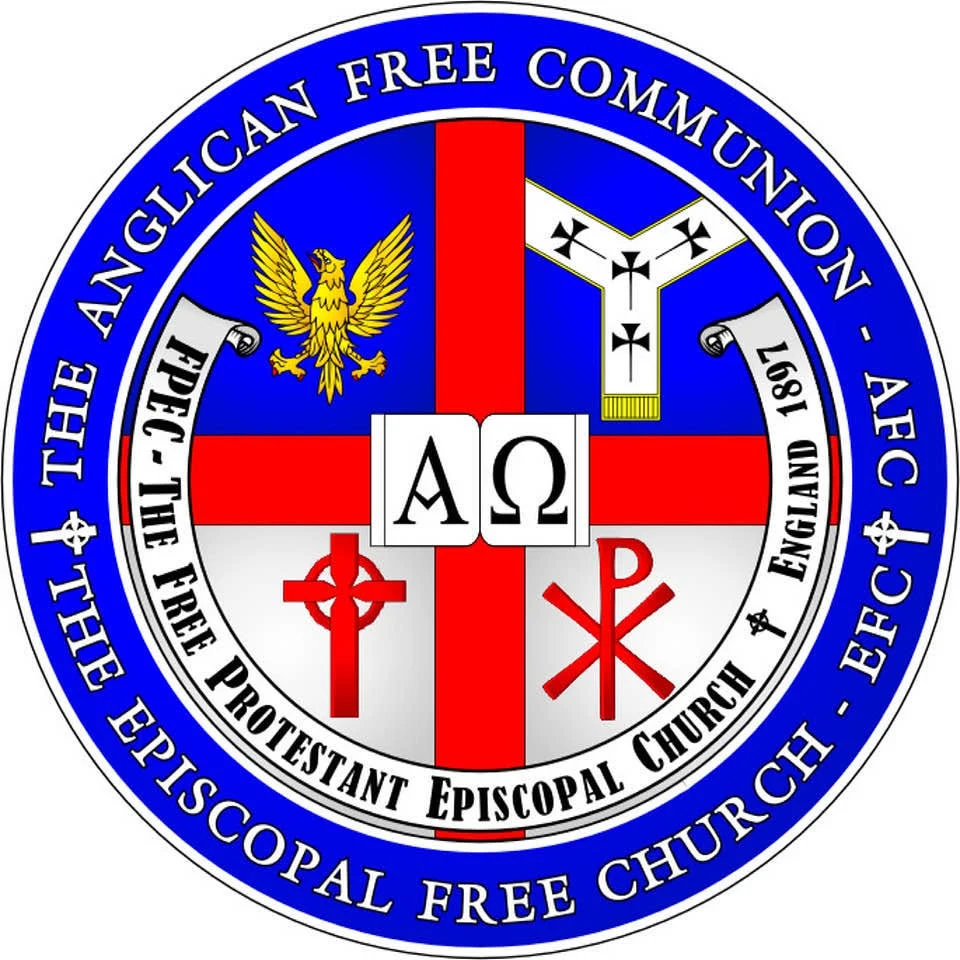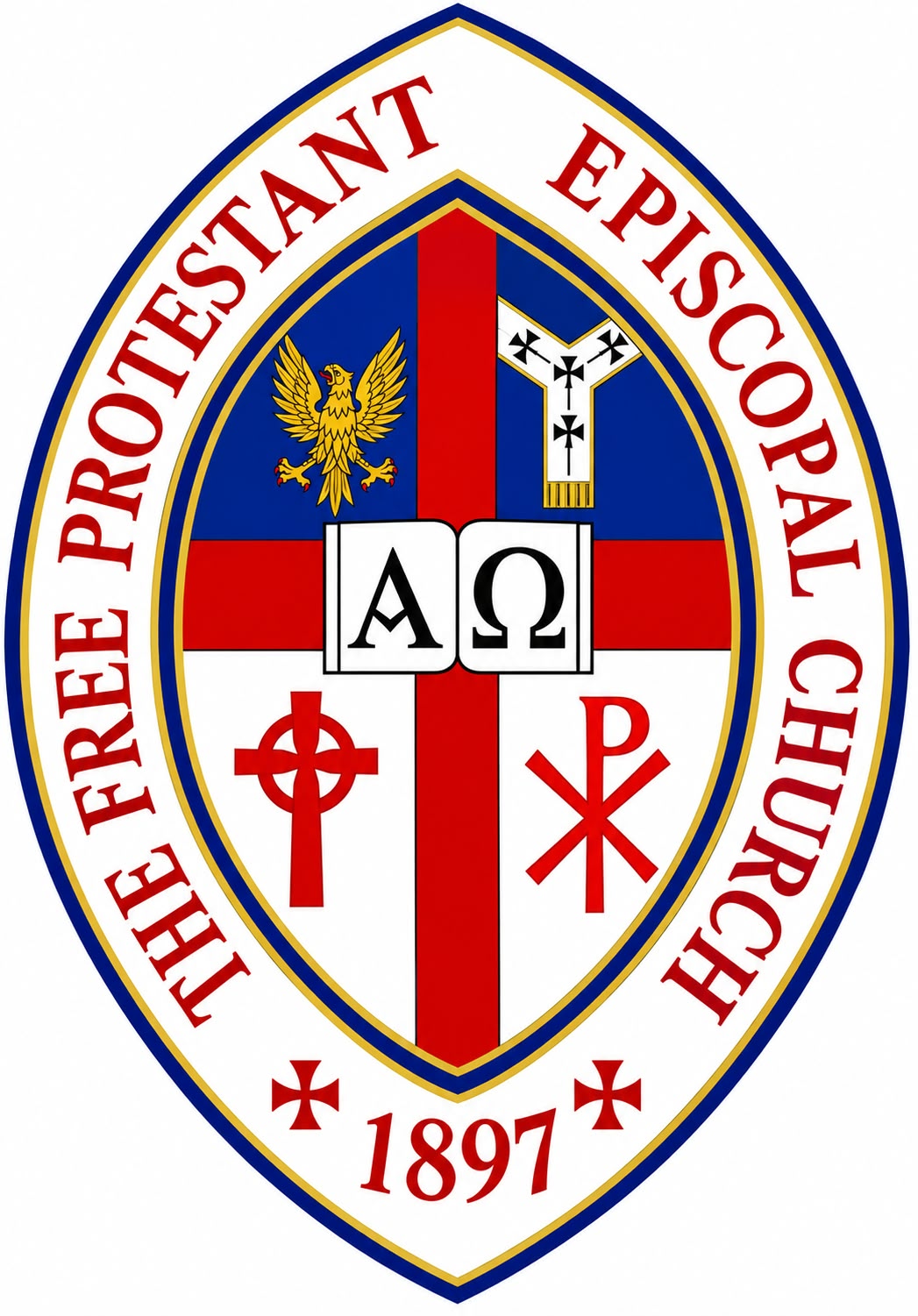

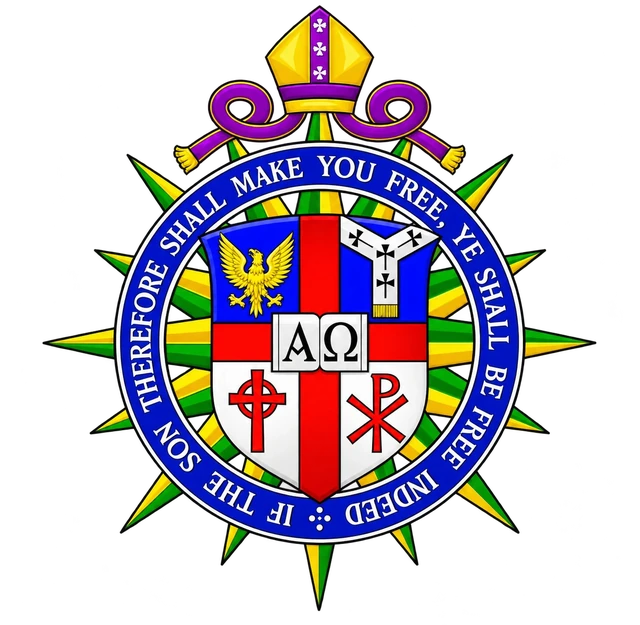
The full heraldic emblem of the FPEC Worldwide Communion

The Free Protestant Episcopal Church Worldwide Communion (FPEC-WC)

A worldwide family of churches

The Free Protestant Episcopal Church Worldwide Communion (FPEC-WC) grew from The Free Protestant Episcopal Church of England (FPEC). It is a fellowship of autonomous churches, distinct from the founding Church itself.

How can we help you?

About usMeet our worldwide fellowship, its member churches and its leadership.Bring your church into the CommunionExplore membership and begin a conversation with our office.Find a communityLook for a church, a place to worship or a local contact.Explore our historyFollow our story from 1897 through photographs, people and original documents.

Our Mission

Our Communion brings churches together to proclaim Jesus Christ, celebrate the faith, serve our neighbours, promote reconciliation and bear witness to the love of God.

We seek to be:

  • faithful to tradition and open to the future;
  • Protestant in our identity and Episcopal in our structure;
  • sacramental in our spirituality and free in our organisation;
  • inclusive in our welcome and Christian in our mission.

We welcome people and communities seeking faith, hope and fellowship. Our member churches share this mission while keeping their own identities and local leadership.

A Communion of Tradition and Renewal

Our Communion draws on the heritage of the founding Church while encouraging its member churches to serve the needs of their own communities.

We seek to unite tradition and renewal, freedom and fellowship, faith and reason, spirituality and service.

1897
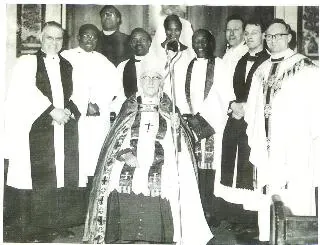
The Most Reverend Leon Checkemian, the Most Reverend James Martin and the Most Reverend Andrew Charles Albert McLaglen. Date unknown.
1962
The Most Reverend Charles Dennis Boltwood with overseas students, 1962.
2012
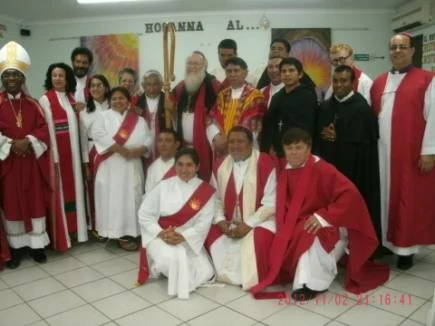
Clergy at the Bolivia synod, 2012.
2020
Historical emblem bearing the names Anglican Free Communion and Episcopal Free Church. Shared by the Most Reverend Richard Palmer on 15 August 2020.
2025
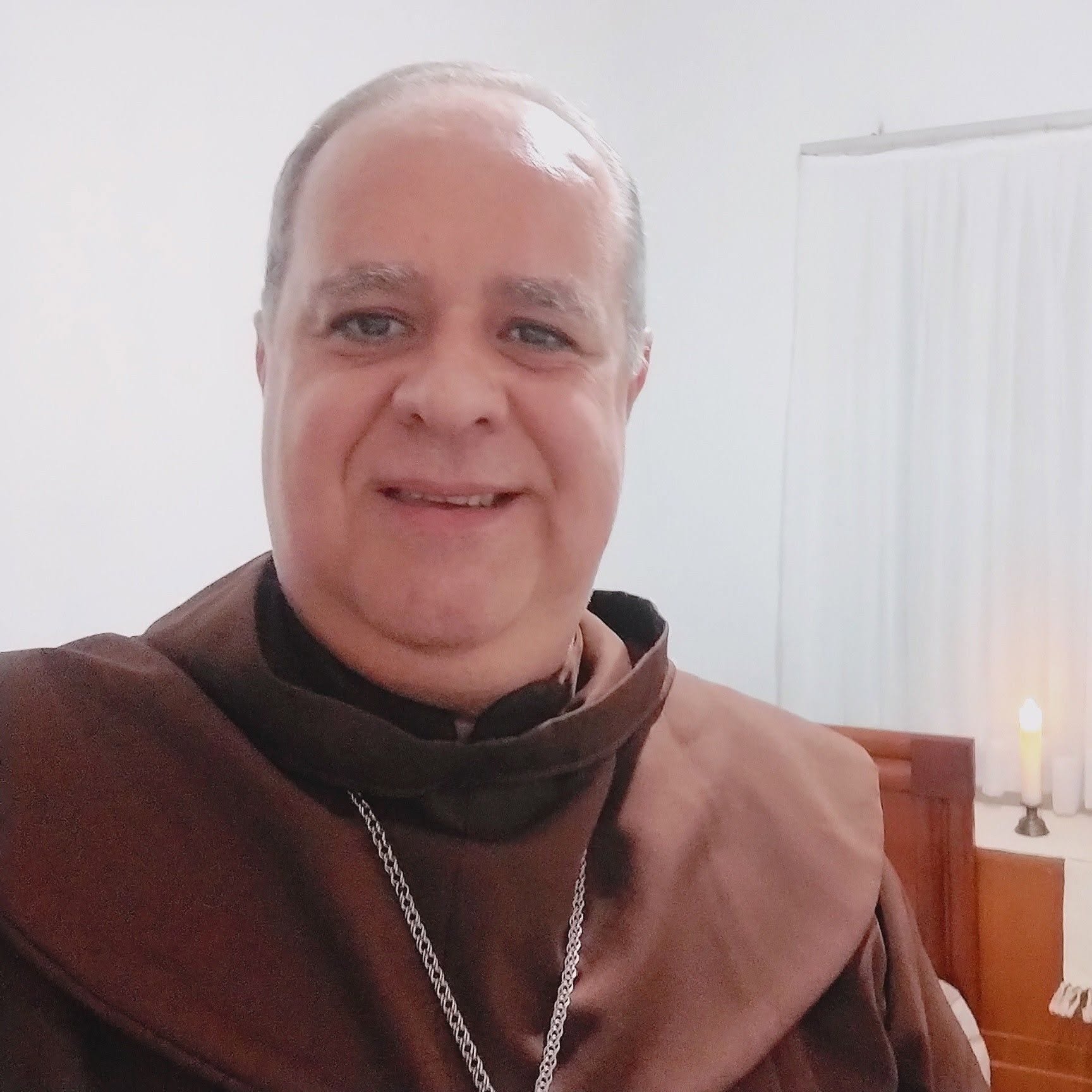
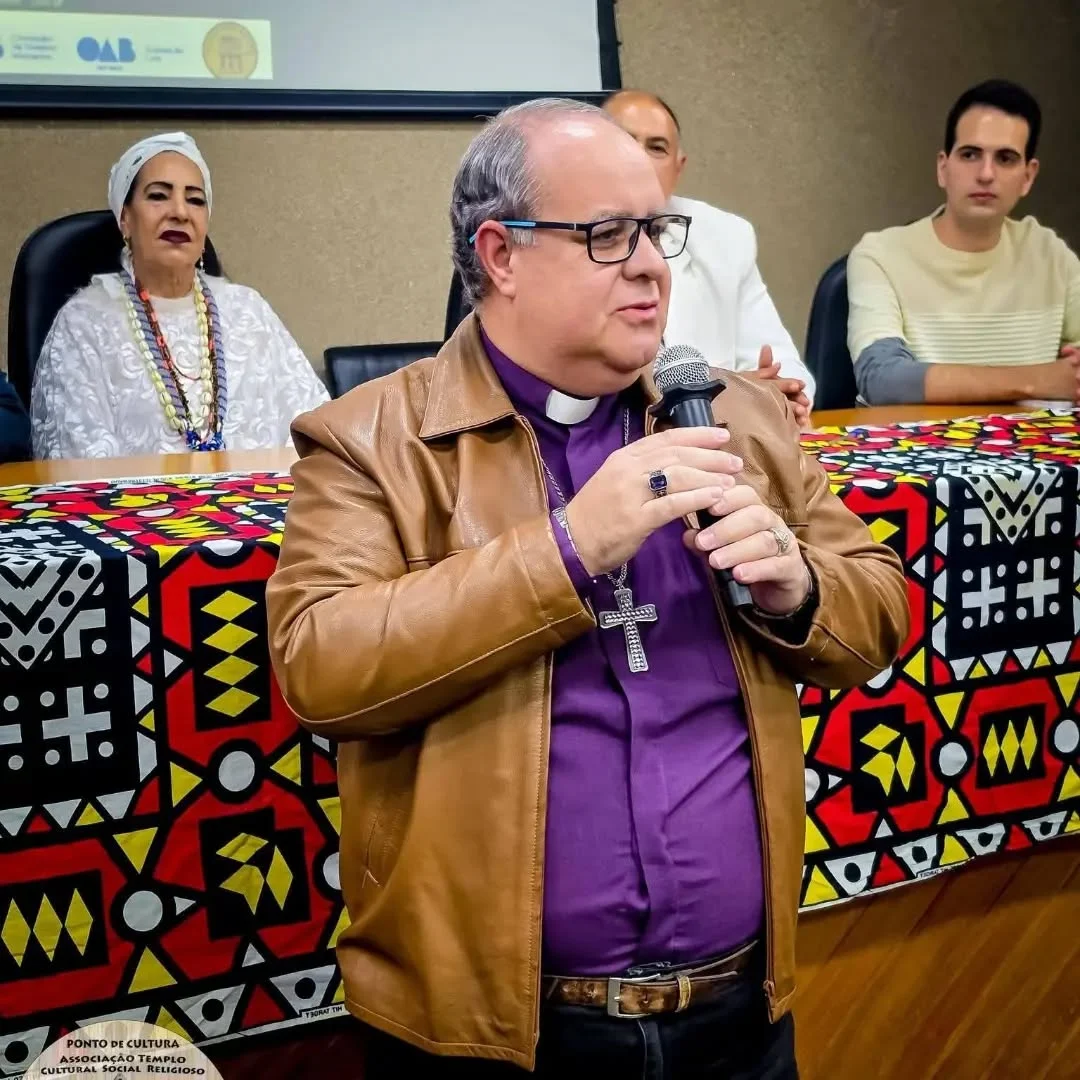
Archbishop Ricardo Lorite de Lima speaking at a gathering. Date unknown.

About us

About us

The Worldwide Communion brings autonomous Episcopal and Anglican churches into fellowship. Each member church is responsible for its own governance, ministry and property, and brings its own local history and pastoral life.

The Archbishop Primus serves the unity of the Communion and encourages co-operation. Member churches govern their own ministry and property; the Communion does not own their local buildings.

Faith & worship
The Most Reverend Ricardo Lorite de Lima

Archbishop Primus

The Most Reverend Ricardo Lorite de Lima

Archbishop Ricardo Lorite de Lima serves as Primus of both the FPEC and the FPEC Worldwide Communion. These are two distinct responsibilities.

Read the succession records

Since 1897

Our roots reach back to the founding Church on 2 November 1897. The name FPEC Worldwide Communion was first used in January 2012. After later name changes, it was restored on 10 March 2025.

2 November: foundation of the Church from which the Communion grew

Our history
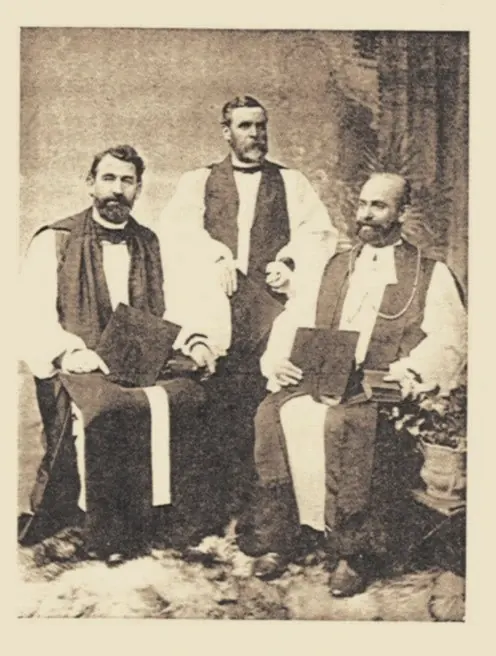
The Most Reverend Leon Checkemian, the Most Reverend James Martin and the Most Reverend Andrew Charles Albert McLaglen. Date unknown.

Overseas students and a growing international fellowship

Our history
The Most Reverend Charles Dennis Boltwood with overseas students, 1962.

January: FPEC Worldwide Communion; November: the Bolivia synod and Anglican Free Communion

Our history
Clergy at the Bolivia synod, 2012.

Episcopal Free Communion: a new name during a period of separation

Our history
Historical emblem bearing the names Anglican Free Communion and Episcopal Free Church. Shared by the Most Reverend Richard Palmer on 15 August 2020.

10 March: The Most Reverend Ricardo Lorite de Lima becomes Archbishop Primus

Our history
Archbishop Ricardo Lorite de Lima speaking at a gathering. Date unknown.
Our history

The photographic record

Photographs from the shared history of the Church and the Worldwide Communion.

The Most Reverend Leon Checkemian, the Most Reverend James Martin and the Most Reverend Andrew Charles Albert McLaglen. Date unknown.
Convocation at St Andrew’s, 1955.
The Most Reverend Charles Dennis Boltwood with overseas students, 1962.
The Most Reverend Richard Arthur Palmer, pictured in his 2015 accession announcement.
Archbishop Ricardo Lorite de Lima speaking at a gathering. Date unknown.
Photographs

Documents & letters

Read pastoral letters, succession records and synod documents. Each has a readable text and a link to the original. Original documents can be translated with your browser.

Documents & letters

Contact the FPEC

The administrative office is based in Lins, São Paulo, Brazil, at the residence of the Archbishop Primus. Use the published telephone number below for enquiries about the Church and its Worldwide Communion.

+55 16 99142-5873Contact

Share this page

FacebookWhatsApp

Essential storage remembers your privacy choice. You can separately allow saved reading and language preferences, external maps and website statistics. All optional choices start off.

Reading and accessibility

Changes apply immediately. To remember them for future visits, allow saved preferences in Cookie and privacy settings.

Choose the font you find easiest to read. OpenDyslexic is designed for dyslexic readers; preferences vary. Noto Sans supplies any unsupported characters.

Accessibility statement